10 Common Diabetes Myths — and the Facts
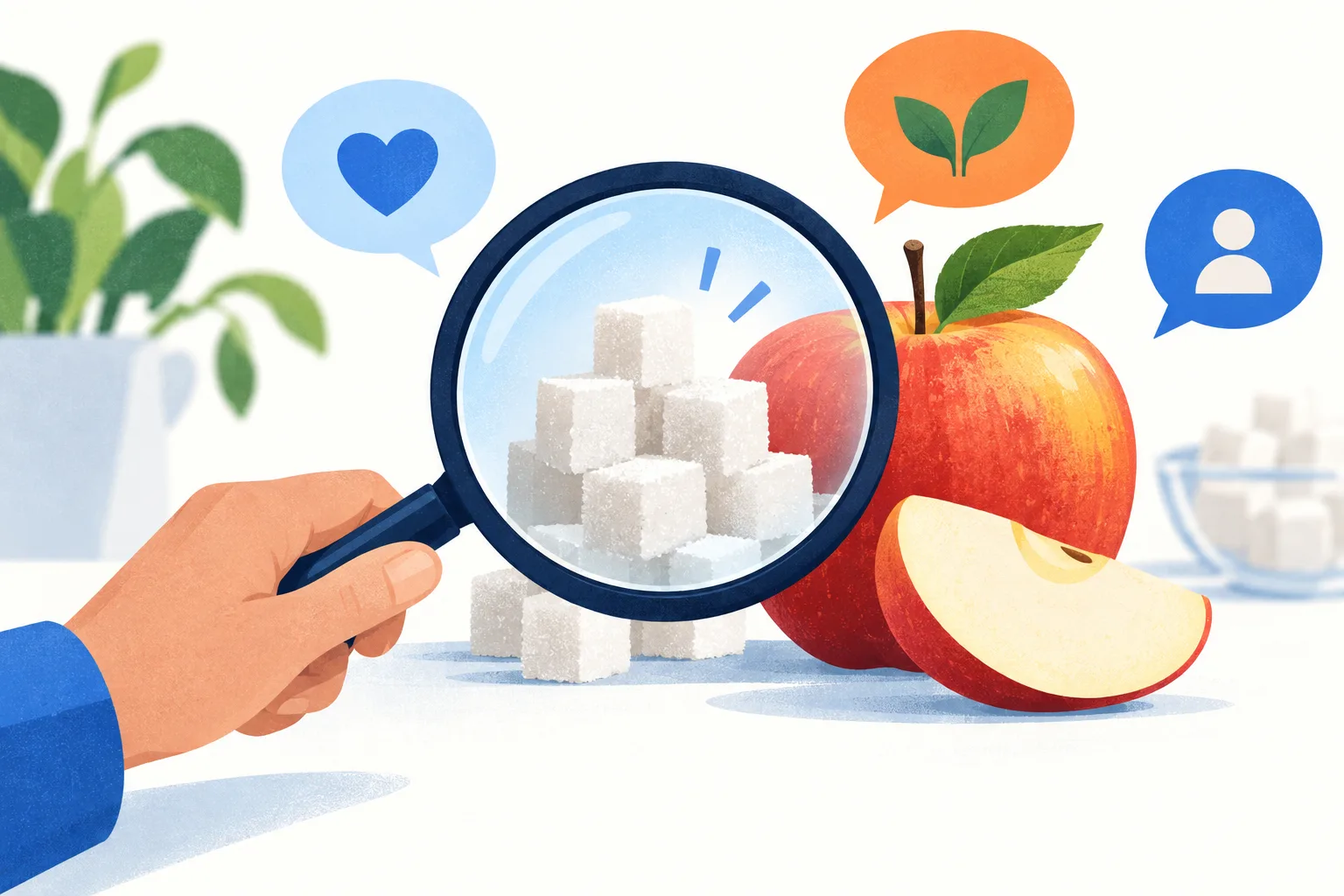
Few conditions attract as many myths as diabetes. Some are harmless, others lead to guilt, missed diagnoses or poor treatment choices. Here are ten common ones and what the evidence says.
1. "Eating sugar causes diabetes."
Not directly. Type 1 diabetes is autoimmune and unrelated to diet. Type 2 is driven by genetics, excess weight and inactivity. Sugar-sweetened drinks do raise type 2 risk — mainly through weight gain and their effect on the liver — so cutting them is wise, but sugar alone is not "the cause".
2. "Type 2 diabetes is the mild kind."
False. Type 2 causes the same complications — heart attack, stroke, kidney failure, blindness, amputations — when glucose stays high. It is the leading cause of kidney failure in the US.
3. "Only overweight people get type 2 diabetes."
False. Excess weight is the biggest risk factor, but genetics, age and ethnicity matter too. Lean adults diagnosed with "type 2" should also be considered for LADA.
4. "People with diabetes can't eat fruit or carbohydrates."
False. Whole fruit, legumes and whole grains fit well into a diabetes eating plan. Portion size, fiber and the whole meal matter more than banning food groups.
5. "Needing insulin means you failed."
False. Type 2 diabetes is progressive: insulin production declines over time for many people regardless of effort. Insulin is a tool, not a punishment — and starting it in time protects your organs.
6. "You'd notice if your blood sugar were high."
Often not. Many people have no symptoms for years; about 1 in 5 adults with diabetes in the US doesn't know they have it. Screening is the only reliable way to find out.
7. "Diabetes means you can never have sweets."
False. Small amounts of sweets can fit into a meal plan, especially with a meal and with insulin adjusted by people who use it. It's about frequency and amount.
8. "Type 1 diabetes only starts in childhood."
False. More than half of new type 1 diagnoses occur in adults — including LADA. Adults are frequently misdiagnosed with type 2 at first.
9. "Prediabetes always turns into diabetes."
False. Prediabetes is often reversible. Losing 5–7% of body weight and 150 minutes of weekly activity reduced progression by 58% in the Diabetes Prevention Program. See How to Prevent Type 2 Diabetes.
10. "Diabetes can be cured with a special diet or supplement."
Mostly false. No supplement cures diabetes, and products promising this are a scam. Type 2 diabetes can, however, go into remission — normal glucose without medication — after substantial weight loss, for example through intensive diet programs or bariatric surgery. Type 1 diabetes requires insulin.
More: diabetes overview · type 1 vs. type 2
Sources: ADA Standards of Care · ADA: Diagnosis · NIDDK: What is diabetes? · MedlinePlus: Blood glucose test
Check a blood glucose reading
Related guides
- 10 Foods That Help Control Blood Sugar
- Diabetes First Aid: Lows and Highs
- Affordable Diabetes Medication: Ways to Save
- What Is Normal Blood Sugar? Ranges by Time of Day
- Blood Glucose Levels Chart (mg/dL and mmol/L)
Educational content only; not medical advice. Follow the treatment plan you have agreed with your doctor or diabetes team. In an emergency, call 911 (US) or your local emergency number.